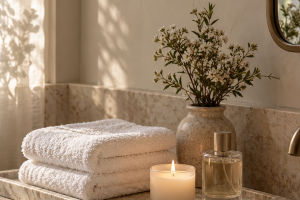
Neutral colors have a special place in modern home design. Shades such as cream, beige, soft gray, warm white, and taupe may seem simple at first, but they offer plenty of opportunities to create an inviting and attractive room. Rather than competing for attention, they provide a balanced background that allows furniture, artwork, and decorative details to stand out.
A neutral color scheme is also practical for homeowners who want a home that feels comfortable today and remains appealing over time. Whether you are decorating a small apartment or refreshing a spacious living area, the right combination of soft colors can make the entire interior feel more connected.
A Calmer Atmosphere at Home
The colors surrounding us contribute to the overall impression of a room. Bright shades can bring energy and personality, while softer neutral tones often create a quieter atmosphere. For spaces intended for resting, reading, or spending relaxed evenings, this gentle approach can be especially appealing.
Cream, pale gray, and warm beige are useful choices for bedrooms and living rooms because they do not demand constant attention. They can also help create a consistent appearance between different areas of an open-plan home.
More Light and an Open Feel
Light neutral paint colors can help a room appear brighter because they reflect more light than many darker shades. This quality can be useful in areas that receive limited natural sunlight or have small windows. White, ivory, and pale beige walls can make a compact room feel more spacious and less enclosed. When paired with suitable lighting and uncluttered furniture arrangements, they help create a more open visual effect.
A Background That Highlights Decorations
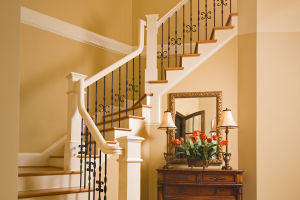
Artwork, photographs, decorative objects, and furniture can become important features of an interior. Neutral walls provide a quiet setting that allows each item to receive attention without making the room feel visually crowded. For example, a beige wall can complement framed artwork, while a soft white background can make wooden furniture and colorful cushions stand out. You can also arrange photographs or small decorative pieces together to create a personal display.
Works With Different Interior Styles
One of the biggest advantages of neutral colors is their flexibility. They can suit many decorating approaches, from minimalist rooms with simple furniture to interiors that feature natural materials and layered textures. Warm beige and cream can complement wooden furniture, woven accessories, and soft fabrics. Gray and white may work well with clean-lined furniture, glass details, and understated decorations. Taupe offers another option for people who want something between brown and gray.
Neutral walls also make it easier to refresh a room without starting from the beginning. If you want a different look later, you can introduce new cushions, curtains, rugs, or decorative objects while keeping the existing wall color. Small updates can give the space a fresh appearance without requiring a complete repaint.
Easy to Combine With Other Colors
A neutral foundation gives you room to experiment with additional shades. You might introduce muted green through cushions, add navy through a rug, or use terracotta-colored accessories for warmth. Because the walls remain relatively understated, smaller colorful details can add character without overwhelming the space.
A Look That Lasts Beyond Trends
Interior design preferences naturally shift over time. A particular shade or decorative style may become popular for a few years before another look takes its place. Neutral colors offer a dependable starting point because they are not strongly tied to one decorating trend.
Choosing a versatile wall color can also make future updates more manageable. Instead of repainting whenever you want a new atmosphere, you can adjust the room through furniture, lighting, and accessories. This approach is especially useful when you prefer to keep major home improvements for the long term.
For a successful result, pay attention to undertones, natural lighting, and the materials already in your home. A thoughtful mix of neutral shades and carefully chosen details can make a modern interior feel comfortable, personal, and attractive without relying on complicated design choices.