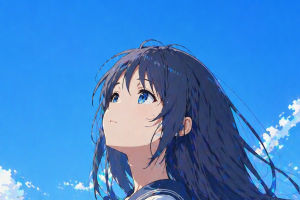
Anime storytelling often begins with the face before any major action unfolds. A lowered gaze, a slight smile, widened eyes, or a tense jaw can tell viewers what a character is feeling long before the script explains it.
Expression matters because animation does not only show events; it guides emotional attention.
When character design, timing, and framing work together, a single look can suggest fear, hope, confusion, courage, or quiet affection with surprising clarity. That is why expressive faces remain one of the strongest tools in anime-style visual storytelling.
Silent Signals
A strong expression can carry meaning without slowing the scene down. Dialogue may explain a decision, but the face often reveals how difficult that decision feels. A character who says they are fine while their eyes drift away creates immediate emotional tension. Viewers understand that something is being held back.
This kind of silent storytelling is especially useful in anime because many scenes rely on pauses, close-ups, and emotional timing. The expression becomes a second layer of narration.
Eye Detail
Eyes receive so much attention in anime because they can carry subtle shifts in mood. Shape, shine, direction, and shadow all matter. A bright highlight can make a character feel open and hopeful, while a dimmer gaze can suggest doubt or exhaustion. Looking directly at someone can feel honest or intense, while looking away can suggest hesitation.
These visual choices make emotion readable even when the character barely moves. The design may be stylized, but the emotional effect feels direct.
Small Changes
Tiny adjustments often create the most believable expressions. A slight lift in the eyebrows can turn surprise into concern. A small change in the mouth can make a smile feel confident, forced, shy, or relieved. Anime art benefits from this precision because stylized faces need clear emotional signals. The goal is not always realism. The goal is readability.
When the audience understands a feeling instantly, the story can move forward without overexplaining what the character is going through.
Body Echoes
expression works best when the rest of the body supports it. A nervous face paired with stiff shoulders feels different from the same face paired with relaxed posture. Hands, head angle, and distance from other characters can deepen the emotional message. Animation often uses these details to connect inner feeling with outer behavior.
A character may try to hide worry through words, but posture can reveal what the face only hints at. That connection makes the moment more convincing.
Framed Reactions
Camera placement also shapes how an expression is read. A close-up can make a tiny change feel important, while a wider view can show how the character fits into the surrounding mood. Looking up at a face may create tension or admiration, while a level view can feel more personal. These framing choices help expressions land with the right emotional weight.
Scene Timing
Timing changes how an expression lands. A quick flash of shock can create humor or surprise, while a long close-up can turn the same expression into drama. Holding on a quiet face after an important line lets the viewer process the feeling beneath the moment. Anime often uses stillness with purpose, allowing small details to breathe. That pause can be more memorable than a loud reaction because it gives emotion space to settle.
Design Language
Stylization gives anime expressions a flexible visual language. Eyes can enlarge for innocence, sharpen for focus, or soften for tenderness. Mouth shapes, blush marks, shadows, and simplified features can signal emotional shifts quickly.
These tools are not random decorations. They are part of a shared visual grammar that helps viewers read mood at a glance. The best designs use exaggeration carefully, making feelings clear while still keeping the character believable within the style of the scene.
Emotional Bond
Viewers connect with characters when expressions feel specific rather than generic. A sad look becomes stronger when it matches the character's personality, situation, and relationship with others. A shy character may express joy differently from a confident one. A tired character may show relief through a barely visible smile rather than a big reaction.
These differences create personality. Expression becomes character writing, not just character drawing, because it reveals how each person experiences the same emotion in a different way.
Anime character expressions are powerful because they turn emotion into something visible, immediate, and easy to feel. They guide the viewer through silence, reveal hidden tension, and make personalities clearer without relying on long explanations. Eyes, posture, timing, and stylized design all work together to create moments that stay in memory. A small look can change the meaning of an entire scene when it is placed with care.
Which expression usually feels most powerful: a quiet smile, a shocked stare, or a glance that says more than words?